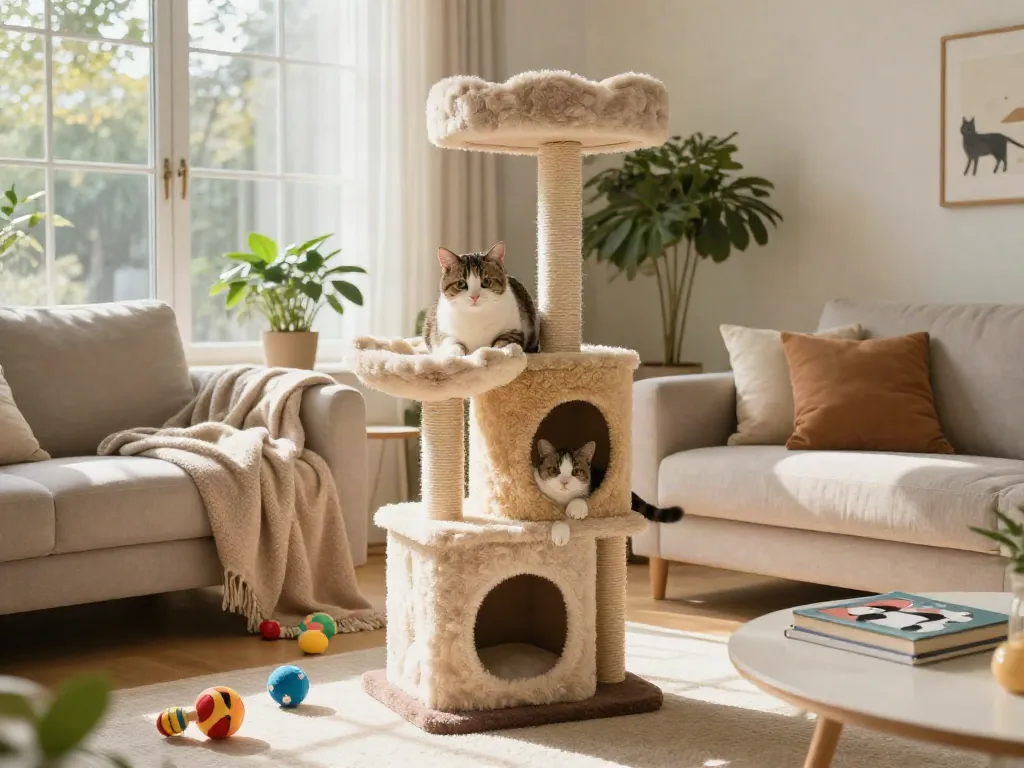
Understanding Cat Towers and Cat Trees
Cat towers and cat trees are essential components of a feline-friendly home, offering both entertainment and relaxation for indoor cats. As pet owners increasingly seek ways to enrich their pets' lives, the demand for high-quality cat towers has surged. These structures provide cats with a safe environment to explore, play, and rest, catering to their natural instincts. When exploring options, cat tower cat tree varieties are becoming a popular choice for many households.
What Is a Cat Tower and Cat Tree?
A cat tower is typically a multi-leveled structure designed for cats to climb, play, and rest. It usually features platforms, scratching posts, and sometimes enclosed spaces or hammocks. On the other hand, a cat tree, which is a specific type of cat tower, generally includes similar elements but may be more elaborate, with additional features like interactive toys or multiple hideaways. Both serve to satisfy a cat's need for vertical space, promoting physical activity and mental stimulation.
Benefits of Cat Towers for Indoor Cats
One of the primary benefits of cat towers is that they provide a safe outlet for indoor cats to exercise. Cats have natural climbing instincts; a cat tower allows them to indulge in these behaviours without risking injury. Furthermore, cat towers can help reduce boredom, which is essential in preventing destructive behaviours like scratching furniture. Additionally, they can serve as a great social space where multiple cats can coexist, allowing for interaction and play.
Differences Between Cat Towers and Cat Trees
Though the terms 'cat tower' and 'cat tree' are often used interchangeably, there are notable differences. Cat towers are generally more versatile and can come in various designs, while cat trees tend to have a more standard appearance with a focus on vertical spaces. Understanding these differences can help pet owners make informed decisions based on their cats' preferences and living environments.
Choosing the Right Cat Tower Cat Tree
Selecting an appropriate cat tower or tree requires consideration of various factors, including size, design, and budget. Understanding your cat's behaviour and preferences can drastically influence your choice and ensure that you select a model that will keep your feline friend happy and entertained.
Key Features to Look for in a Cat Tower
- Stability: Ensure the tower is sturdy enough to withstand active play.
- Height: Look for multi-level designs that allow for climbing and exploration.
- Material: Opt for high-quality materials that are durable and pet-safe.
- Scratching surfaces: These should be included to satisfy your cat’s need to scratch.
- Hiding spots: Enclosed spaces can provide a sense of security for shy cats.
Size and Space Considerations for Your Home
When selecting a cat tower or tree, consider the available space in your home. Large models may not be suitable for smaller rooms, while compact options can fit easily into limited spaces without compromising on features. Additionally, consider your cat's size and weight, as certain models may be better suited for larger breeds.
Budgeting for Quality: Price Ranges Explained
Cat towers and trees can vary significantly in price based on size, brand, and materials. On average, a decent cat tower can range from £50 to £200 or more for premium options. While it may be tempting to choose cheaper alternatives, investing in a quality product can save money in the long run due to increased durability and functionality.
Top Brands for Cat Towers and Trees
The market for cat towers is diverse, with several established brands known for their quality and innovation. Comparing features, prices, and user reviews can help you select the best product suited to your needs and preferences.
Leading Competitors in the Market
Brands such as Cat Tree King and New Cat Condos are well-regarded in the industry, known for their sturdy designs and creative use of materials. Each brand offers unique selling points, such as eco-friendly materials or modular designs that allow for personalization.
Brand Comparisons: Quality and Durability
When comparing brands, durability should be a priority. Products made from solid wood or high-quality fibreboard tend to last longer than those made from lower-grade materials. Consumer reviews and ratings can provide insights into the durability of specific models and brands.
User Reviews and Recommendations
User feedback is invaluable when selecting a cat tree. Look for products with high ratings and positive comments regarding stability, ease of assembly, and overall design. Additionally, personal recommendations from fellow pet owners can help guide your decision.
Maintenance and Care for Cat Towers
Proper maintenance is key to extending the life of your cat tower or tree. Regular cleaning and occasional repairs can ensure that it remains a safe and enjoyable space for your pet.
Cleaning Your Cat Tower Effectively
Cleaning your cat tower involves vacuuming any loose fur and wiping down surfaces with a pet-safe cleaner. It's important to pay attention to areas where your cat likes to scratch, as these can accumulate dirt and debris over time. Regularly inspecting for any signs of wear or damage is also essential.
Repairing Damage: When to Fix or Replace
Minor damages, such as loose screws or frayed scratching posts, can often be repaired with minimal effort. However, if the structural integrity of the tower is compromised, it may be time to consider a replacement. Always prioritise your cat’s safety when assessing the condition of their play area.
Maximising Longevity: Tips for Care
To maximize the lifespan of your cat tower, consider placing it in a low-traffic area where it won't be knocked over. Avoid introducing any additional weight or stress to the structure, and routinely check for wear and tear, particularly on scratching surfaces and platforms.
The Future of Cat Towers in 2026
The cat tower market continually evolves, with new designs and features emerging annually. Staying informed about upcoming trends can help pet owners make better purchasing decisions in the future.
Emerging Trends in Cat Furniture Design
Design trends are moving towards multifunctional furniture that integrates seamlessly into home decor. Expect to see cat towers that double as stylish furniture pieces, complete with visually appealing designs that cater to aesthetic sensibilities.
Innovations in Materials and Sustainability
As environmental awareness grows, manufacturers are increasingly focusing on sustainable materials. Expect to see more products made from recycled or eco-friendly materials, appealing to the environmentally-conscious consumer.
Understanding Pet Owner Preferences: A Look Ahead
Understanding pet owner preferences will shape the future of cat towers. Features like customisation options and interactive elements will likely drive product development as consumers seek unique, engaging experiences for their pets.
Can cat towers help with pet-related anxiety?
Yes, cat towers can provide a sense of security for cats by offering vertical spaces to retreat to when they feel stressed. This can be particularly beneficial in multi-pet households or during times of change, such as moving homes.
What are the best features of a cat tower for multiple cats?
For multi-cat households, look for towers that offer multiple levels, various scratching areas, and ample lounging spaces. Features that allow for multiple cats to play and interact without feeling cramped will enhance their experience.
How do I choose a cat tower for a large breed?
For larger breeds, opt for a sturdy and spacious model with reinforced platforms and wider bases. This ensures that the tower can handle their weight and energy levels, providing a safe and enjoyable environment.
Are DIY cat trees a good alternative?
DIY cat trees can be a fantastic alternative for those who enjoy crafting and want a custom solution. They allow for personalization in terms of size and design, although they may require more time and effort compared to pre-made options.
What accessories can enhance the use of a cat tower?
Enhancements like hanging toys, bedding, and additional scratching posts can make a cat tower even more engaging. Consider your cat's preferences when choosing accessories to add to their space.